
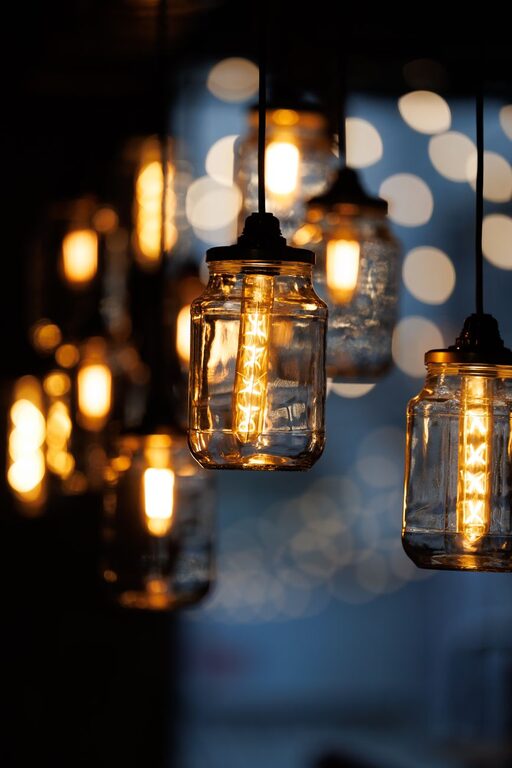
Creating a comfortable living space goes beyond furniture and decor—it also depends on the lighting you choose. Good lighting can improve your mood, enhance productivity, and make your home feel warm and inviting. On the other hand, poorly chosen lighting can cause discomfort, eye strain, and reduce the overall ambiance of your rooms.
If you’re planning to update your home lighting or setting up a new space, these tips will help you choose lighting that is both functional and comfortable.
Understanding the Basics of Home Lighting
Before diving into specific tips, it’s helpful to know the three main types of lighting to layer in your home:
– Ambient lighting: This is the general lighting that illuminates a room evenly, such as ceiling lights or large fixtures.
– Task lighting: Focused light designed for specific activities like reading, cooking, or working.
– Accent lighting: Used to highlight artwork, architectural details, or create mood through softer lighting.
A combination of these types makes a space versatile and comfortable.
Consider the Purpose of Each Room
Each room in your home has a unique function and therefore requires different lighting approaches.
Living Room
This space often serves multiple purposes—from relaxing to entertaining guests. Choose warm, adjustable lighting to create a cozy atmosphere. Floor lamps and table lamps with dimmers work well alongside overhead lighting.
Kitchen
Bright, clear task lighting is essential here. Under-cabinet LED lights can illuminate countertops, while overhead lights provide general brightness. Opt for cool white bulbs that help keep the space feeling clean and fresh.
Bedroom
Lighting in the bedroom should promote relaxation. Use soft, warm light and consider bedside lamps or wall sconces with dimmers. Avoid harsh, bright lighting to maintain a calm environment.
Home Office
Task lighting is crucial for productivity. Desk lamps with adjustable brightness and color temperature can reduce eye strain. Natural light is a bonus, so position your desk near a window if possible.
Choose the Right Bulbs
Bulbs come in different shapes, sizes, and light qualities. Here’s what to look for:
– Color Temperature: Measured in Kelvins (K), this affects how “warm” or “cool” the light appears.
– Warm white (2700-3000K) creates a cozy, inviting feel.
– Neutral white (3500-4500K) offers a balance good for kitchens or workspaces.
– Cool white (5000K+) feels bright and crisp, suitable for detail-oriented areas.
– Lumens: Indicates brightness. Higher lumens mean brighter light.
– Energy Efficiency: LED bulbs use less energy and last longer than traditional incandescent bulbs.
– CRI (Color Rendering Index): Shows how true colors look under the light. Choose bulbs with a CRI of 80 or higher for natural color appearance.
Use Dimmers to Adjust Brightness
Installing dimmer switches allows you to control the brightness of your lights based on the time of day and activities. This flexibility can make your home more comfortable and also save energy.
Pay Attention to Light Placement
Proper placement of lights helps avoid glare and shadows, which cause discomfort. For example, avoid placing bright lights directly behind a TV or computer screen. Position task lighting so it doesn’t cast your shadow on your working surface.
Incorporate Natural Light
Whenever possible, maximize natural light through windows, skylights, or glass doors. Natural light improves mood and makes rooms feel spacious. Use light, sheer curtains to allow sunlight in while reducing glare.
Choose Fixtures That Complement Your Style and Lighting Needs
Lighting fixtures come in all shapes and sizes. Pick fixtures that fit the room’s style but also provide the right amount of light. For example:
– Pendant lights can add focused light over dining tables or kitchen islands.
– Wall sconces create soft accent lighting ideal for hallways or bedrooms.
– Recessed lighting offers unobtrusive ambient light.
Consider Smart Lighting Options
Smart lighting systems let you control brightness, color temperature, and even schedule lights with a phone app or voice commands. This technology can help you customize your home lighting for maximum comfort and convenience.
Avoid Harsh or Flickering Lights
Flickering or overly bright fluorescent lights can cause headaches and eye strain. Opt for LED bulbs with a stable, flicker-free output to protect your comfort.
Maintain Your Lighting Fixtures
Dirty or outdated fixtures reduce light quality. Clean your fixtures regularly and replace old bulbs to keep your lighting effective and comfortable.
—
By thoughtfully selecting your home lighting, you can create spaces that feel welcoming and suit your daily needs. Remember to mix lighting types, choose the right bulbs, and consider smart and adjustable options to tailor your lighting perfectly.
Comfortable lighting is within reach with these simple tips—your eyes and your home will thank you!