
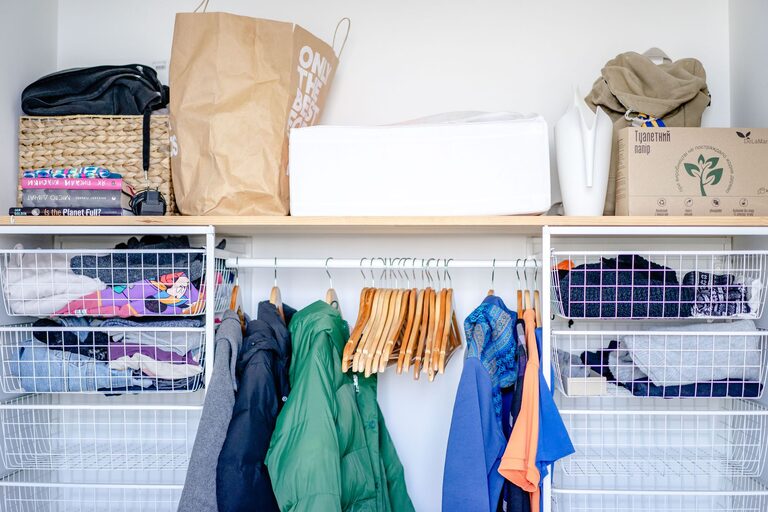
Storing seasonal clothes efficiently is essential for keeping your wardrobe organized and your garments in good condition. Whether you are packing away winter coats, summer dresses, or holiday sweaters, proper storage techniques can help save space and protect your clothes from damage. In this post, we’ll walk through practical steps and ideas to help you manage your seasonal clothing storage with ease.
Why Efficient Seasonal Clothes Storage Matters
Storing off-season clothes properly helps:
– Free up space in your everyday wardrobe
– Protect garments from dust, moisture, and pests
– Maintain fabric quality over time
– Make it easier to find items when the next season rolls around
Without a good system, clothes can get wrinkled, stained, or forgotten. A little effort in storage preparation can extend the life of your clothing and keep your home clutter-free.
—
Step 1: Sort and Declutter Before Storing
Before packing away your clothes, sort through the items you no longer wear or need. Ask yourself these questions:
– Have I worn this item in the past year?
– Does it fit well and suit my style?
– Is it in good condition or in need of repair?
Donating, selling, or recycling unwanted clothes reduces the amount of storage space needed and keeps your wardrobe relevant. Plus, it makes unpacking next season more enjoyable.
—
Step 2: Clean Everything Thoroughly
Always wash or dry clean clothes before storing them. Dirt, oils, and stains can attract insects and cause fabrics to deteriorate while in storage. Follow the care instructions on the label, and make sure items are completely dry before packing.
For delicate or specialty fabrics, consider professional cleaning to avoid damage. Don’t forget to clean storage containers as well to prevent dust and mold buildup.
—
Step 3: Choose the Right Storage Containers
The containers you use play a big role in preserving your clothes’ condition and maximizing space.
Types of Storage Containers
– Plastic bins with airtight lids: These protect against moisture and pests but allow no airflow, so clothes must be dry.
– Fabric storage bags: Breathable and lightweight, ideal for items that benefit from airflow like wool or silk.
– Vacuum-seal bags: Reduce volume by compressing clothes but may cause creases and are not suitable for delicate fibers.
– Cardboard boxes: Affordable but less protective against moisture and pests; consider using mothballs or cedar sachets.
Tips for Choosing Containers
– Use clear bins to easily see contents.
– Avoid overpacking to prevent wrinkles and fabric stress.
– Label containers with contents and season for easy identification.
—
Step 4: Optimize Your Storage Space
Maximize your storage area by organizing your containers efficiently.
– Use vertical space: Stack bins carefully, or invest in shelving units to keep containers off the floor.
– Store in cool, dry places: Avoid basements or attics prone to humidity and temperature changes.
– Keep frequently used seasonal items accessible: For example, store fall clothes near your closet entrance if you swap seasons around that time.
—
Step 5: Add Protection and Freshness
Pests like moths and silverfish can damage fabrics while stored. To protect your clothes:
– Place natural repellents like cedar blocks, lavender sachets, or rosemary sprigs in your containers.
– Avoid chemical mothballs if possible, as they can leave odors and be harmful.
– Use silica gel packets to absorb moisture and prevent mold.
– Regularly check stored clothes and containers during the storage period.
—
Step 6: Unpack and Refresh Clothes Before Wearing
When it’s time to bring seasonal clothes back into your wardrobe:
– Take them out promptly and air them before wearing.
– Look for any signs of damage or stains and clean or repair items as needed.
– Refold or hang clothes properly to keep them wrinkle-free.
– Use this opportunity to declutter again.
—
Bonus Tips for Efficient Seasonal Clothing Storage
– Rotate clothes within your storage: Place items you plan to use sooner near the top or front.
– Use slim hangers for better closet space: Save space when storing hangable seasonal clothes by selecting slim, non-slip hangers.
– Consider under-bed storage: Utilize the low-profile space under your bed with flat storage bins.
– Create an inventory list: Keep a simple list of stored items for quick reference.
—
Conclusion
Efficiently storing your seasonal clothes is a manageable task with the right preparation and storage tools. Sorting, cleaning, choosing the right containers, and protecting against pests are key steps to keep your garments fresh and ready for use. With these tips, you can enjoy a clutter-free home and a wardrobe that lasts season after season.
Happy organizing!