
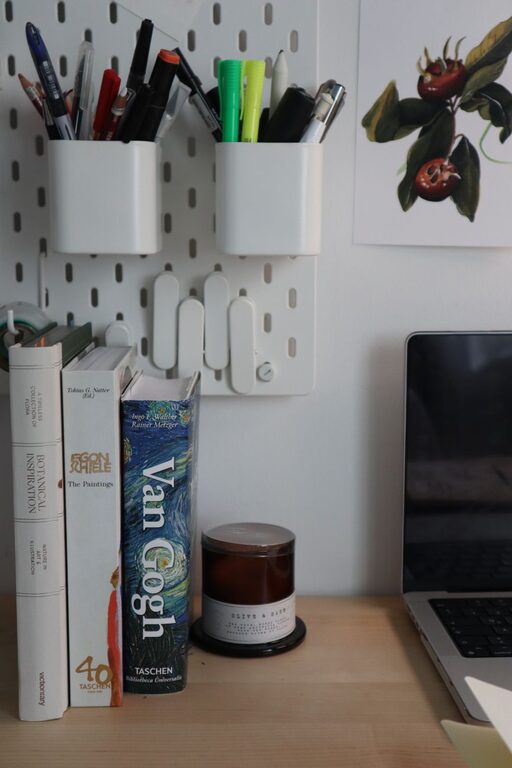
Living in a digital age doesn’t mean we can completely avoid paper clutter at home. From bills and receipts to school notices and magazines, paper tends to pile up quickly and create unnecessary mess. Reducing paper clutter not only frees up space but also helps you feel more organized and calm. In this post, we’ll explore simple, practical ways to manage and reduce household paper clutter.
Why Reducing Paper Clutter Matters
Before diving into the tips, it’s helpful to understand why paper clutter can be a problem:
– Visual distraction: Cluttered spaces can make it harder to focus.
– Stress: Piles of paper can create a sense of overwhelm.
– Lost documents: Important papers may get misplaced or forgotten.
– Waste: Unnecessary printing or keeping old paper contributes to waste.
By keeping paper under control, you can enjoy a more peaceful and efficient home environment.
Start With Sorting and Decluttering
The first step to reducing paper clutter is to sort through your existing piles:
Create Categories
Gather all loose papers and divide them into categories such as:
– Bills and statements
– Receipts and warranties
– Personal documents (birth certificates, tax forms)
– School or work papers
– Junk mail and catalogs
– Magazines and newspapers
Decide What to Keep or Toss
After sorting, review each category:
– Keep: Important papers you may need later (tax documents, warranties).
– Shred/Recycle: Expired or sensitive papers like old bills or bank statements.
– Donate or Pass On: Magazines or catalogs you won’t read.
This process will dramatically reduce the volume of paper and give you a clearer picture of what you really need to manage.
Digitize Important Documents
One of the best ways to reduce paper clutter is to go digital whenever possible.
Scan and Store Electronically
Use a scanner or a smartphone app to scan crucial documents. Save them in organized folders on your computer or a cloud service.
Use Digital Payment and Billing Options
Switch to electronic bills and statements with your banks, utility companies, and service providers. Set reminders on your phone instead of printing paper notices.
Read Magazines and News Online
Many magazines and newspapers offer digital editions. Subscribing to these can help avoid incoming print copies.
Create a Paper Management System
Keeping all papers organized is easier with a system in place.
Designate a Central Paper Station
Choose one spot in your home where all incoming paper is placed, such as a desk tray or a basket near the entrance.
Use Filing Solutions
Invest in a simple filing system with labeled folders or binders. Some categories might include:
– Current bills to pay
– Receipts for tax or warranty purposes
– Important personal documents
– Pending to-do papers
Set Up a Mail Routine
Develop habits to handle mail as soon as it arrives:
– Sort immediately: toss junk mail, file important items.
– Schedule time weekly to review and file papers.
– Deal with bills promptly to avoid pileups.
Limit Incoming Paper
Another effective strategy is to reduce how much paper comes into your home in the first place.
Opt Out of Junk Mail
Many organizations allow you to opt out of unsolicited mail. Check online resources to reduce promotional mailings.
Request Electronic Receipts
When shopping, ask for digital receipts instead of paper ones whenever possible.
Unsubscribe from Unwanted Catalogs
Contact companies to stop mailing catalogs you no longer want.
Maintain Paper Clutter Control
Keeping paper clutter at bay requires consistent effort.
Weekly Maintenance
Spend 10 to 15 minutes each week sorting new papers and filing or discarding them.
Purge Periodically
Every few months, go through stored papers and shred or recycle what you no longer need.
Teach Household Members
Encourage everyone in your home to follow the paper management system to maintain organization.
Bonus Tips for Paper Clutter Reduction
– Use sticky notes and whiteboards for reminders instead of paper lists.
– Go minimal with printed materials by previewing and printing only what’s necessary.
– Recycle shredded paper and old magazines responsibly.
Conclusion
Reducing household paper clutter is fully achievable with simple habits and systems. Start by sorting and decluttering, go digital where possible, create a designated paper station, and limit incoming paper. With these small but consistent steps, you’ll enjoy a tidier, more organized home environment.
Remember, the key is maintaining your system regularly so paper doesn’t pile up again. Soon, managing paper will feel like second nature!