Reducing food waste at home is a simple yet impactful way to save money, reduce your environmental footprint, and make better use of the groceries you buy. Many of us throw away perfectly good food each week without realizing it. By adopting a few mindful habits, you can significantly lower the amount of food that ends up in the trash. This guide shares practical strategies to help you minimize food waste and make the most of your meals.
Why Reducing Food Waste Matters
Food waste contributes to unnecessary environmental damage, including wasted water, energy, and greenhouse gas emissions. Moreover, throwing away food means throwing away money. When you plan carefully and use leftovers creatively, you stretch your food budget and reduce the overall impact your household has on the planet.
—
Plan Your Meals Ahead of Time
One of the best ways to prevent food waste is to plan your meals before shopping. This ensures you buy only what you need and avoid impulse purchases that may go unused.
Tips for Effective Meal Planning:
– Create a weekly menu listing breakfasts, lunches, dinners, and snacks.
– Check your pantry and refrigerator to use existing ingredients first.
– Make a detailed shopping list based on your planned meals.
– Stick to your list to avoid buying surplus food.
Planning saves both money and reduces the chance of food spoiling before you get a chance to eat it.
—
Shop Smart and Buy Only What You Need
When you shop with a clear plan, you avoid buying items you won’t use. Here are some smart shopping strategies:
– Buy loose produce instead of pre-packaged to get the exact quantities you need.
– Choose smaller portions or buy in bulk only if you know you can use it before it spoils.
– Look for items nearing expiration to use them soon at home.
– Avoid impulse buys by shopping on a full stomach and away from tempting displays.
—
Store Food Properly to Extend Shelf Life
Proper storage helps keep food fresh longer, reducing the chances it will need to be thrown away.
Storage Tips:
– Keep fruits and vegetables in designated crisper drawers with appropriate humidity settings.
– Store bread in airtight containers or freeze extra portions.
– Use clear containers to organize leftovers so you can see and use them quickly.
– Separate ethylene-producing fruits (like apples) from vegetables that are sensitive to it (like lettuce).
Label containers with dates so you know when items were prepared or opened.
—
Use Leftovers Creatively
Leftovers can be the foundation for new, tasty meals rather than waste.
Ideas to Use Leftovers:
– Turn roasted vegetables into soups or frittatas.
– Use leftover rice or grains in salads or stir-fries.
– Make sandwiches, wraps, or quesadillas from leftover meats and vegetables.
– Repurpose stale bread into croutons or bread pudding.
Regularly dedicate a meal to using leftovers to make sure they don’t get forgotten.
—
Understand Expiration Dates
Confusing expiration labels often cause people to throw away food unnecessarily.
– “Best by” or “Use by” dates usually indicate peak quality, not safety.
– Use your senses (look, smell, taste) to judge if food is still good.
– When in doubt, check trusted resources or guidelines on food safety.
Understanding labels can help you avoid tossing food that is still perfectly fine to eat.
—
Compost Food Scraps
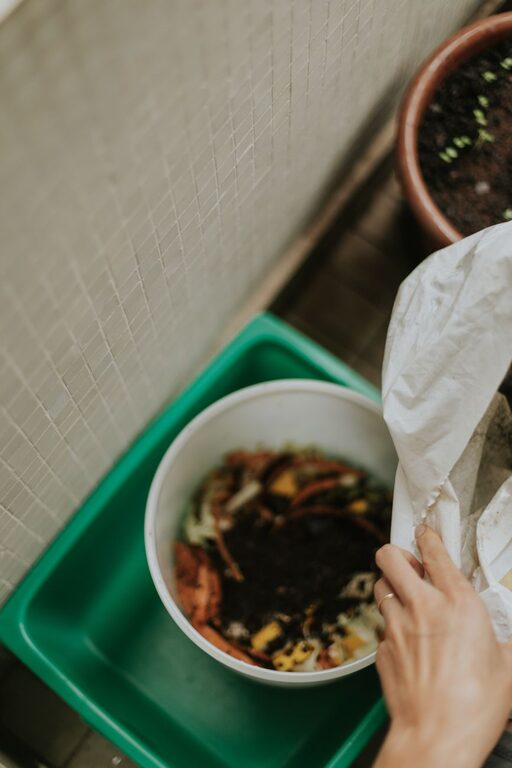
Even with careful planning, some food scraps are inevitable. Composting is a great way to reduce waste sent to the landfill and enrich your garden soil.
– Collect vegetable peels, coffee grounds, eggshells, and other compostable scraps in a kitchen bin.
– Use a compost pile or bin outdoors, or try indoor composting systems.
– Avoid composting meat, dairy, or oily foods which can attract pests.
Composting turns food waste into something useful instead of trash.
—
Donate Excess Food When Possible
If you regularly have surplus food you won’t use, consider donating it to local food banks or community organizations.
– Check local guidelines on what foods are accepted.
– Share with neighbors or friends who may appreciate extra items.
Donating helps people in need and prevents perfectly edible food from going to waste.
—
Educate Your Household
Finally, encourage everyone in your home to be mindful of food waste.
– Teach children about the importance of not wasting food.
– Assign tasks like meal planning, shopping, and composting to involve all family members.
– Celebrate successes and improvements to stay motivated.
A household that works together on reducing food waste is more likely to succeed.
—
Conclusion
Reducing food waste at home takes some effort but offers many rewards, including savings, better use of resources, and a smaller environmental footprint. By planning meals, shopping smartly, storing food correctly, using leftovers, understanding expiration dates, composting, donating, and involving your household, you can make a positive difference. Start with small changes and build new habits that last.
Every meal you save from the trash is a step toward a more sustainable and mindful lifestyle. Give these tips a try and watch the waste in your home shrink!